Memorial gifts
Should a family choose one memorial gift or a keepsake for each person?
Decide whether to order one shared memorial gift or several smaller keepsakes by comparing use, privacy, ashes or photo sharing, personalization, budget, and family consent before you buy.
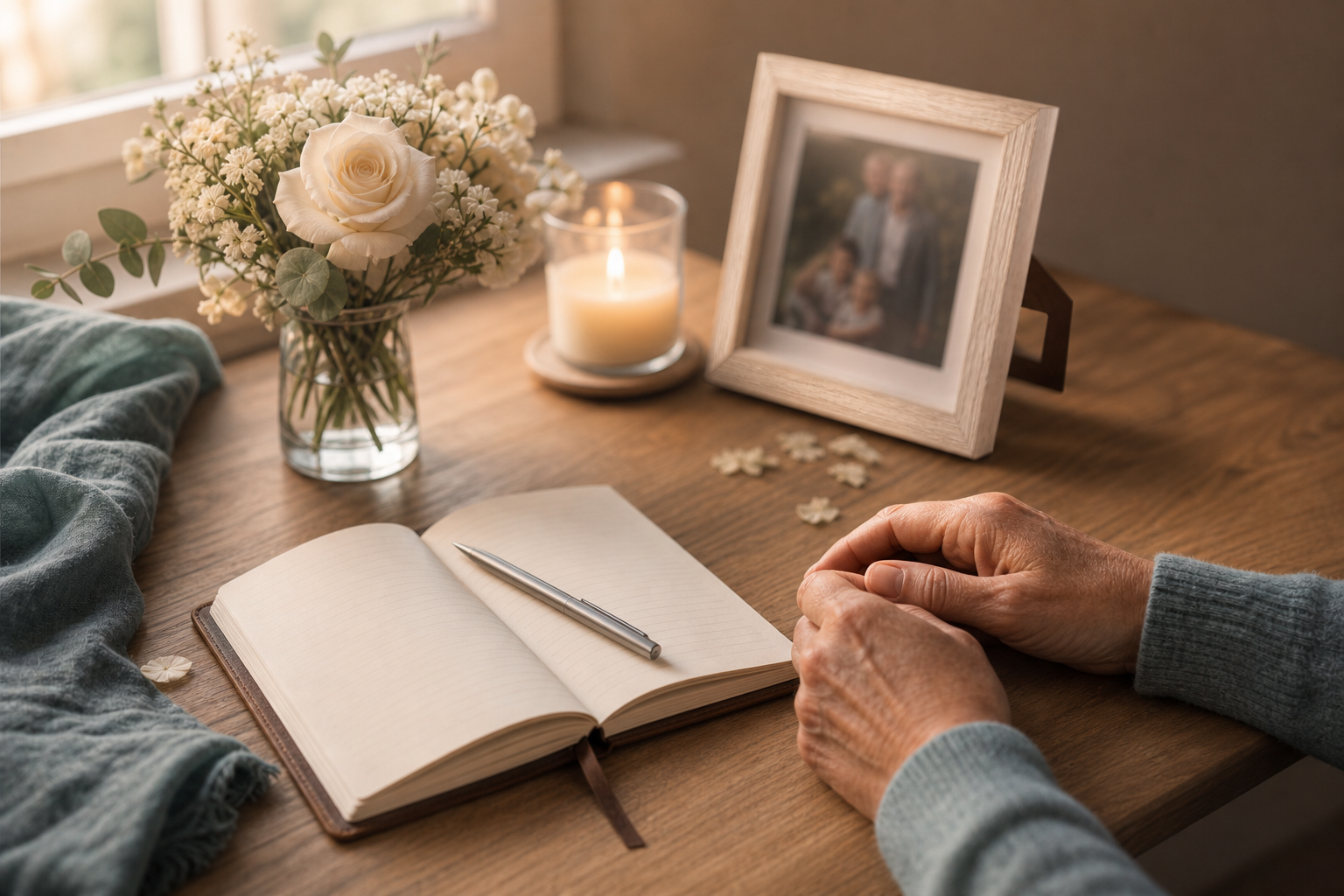
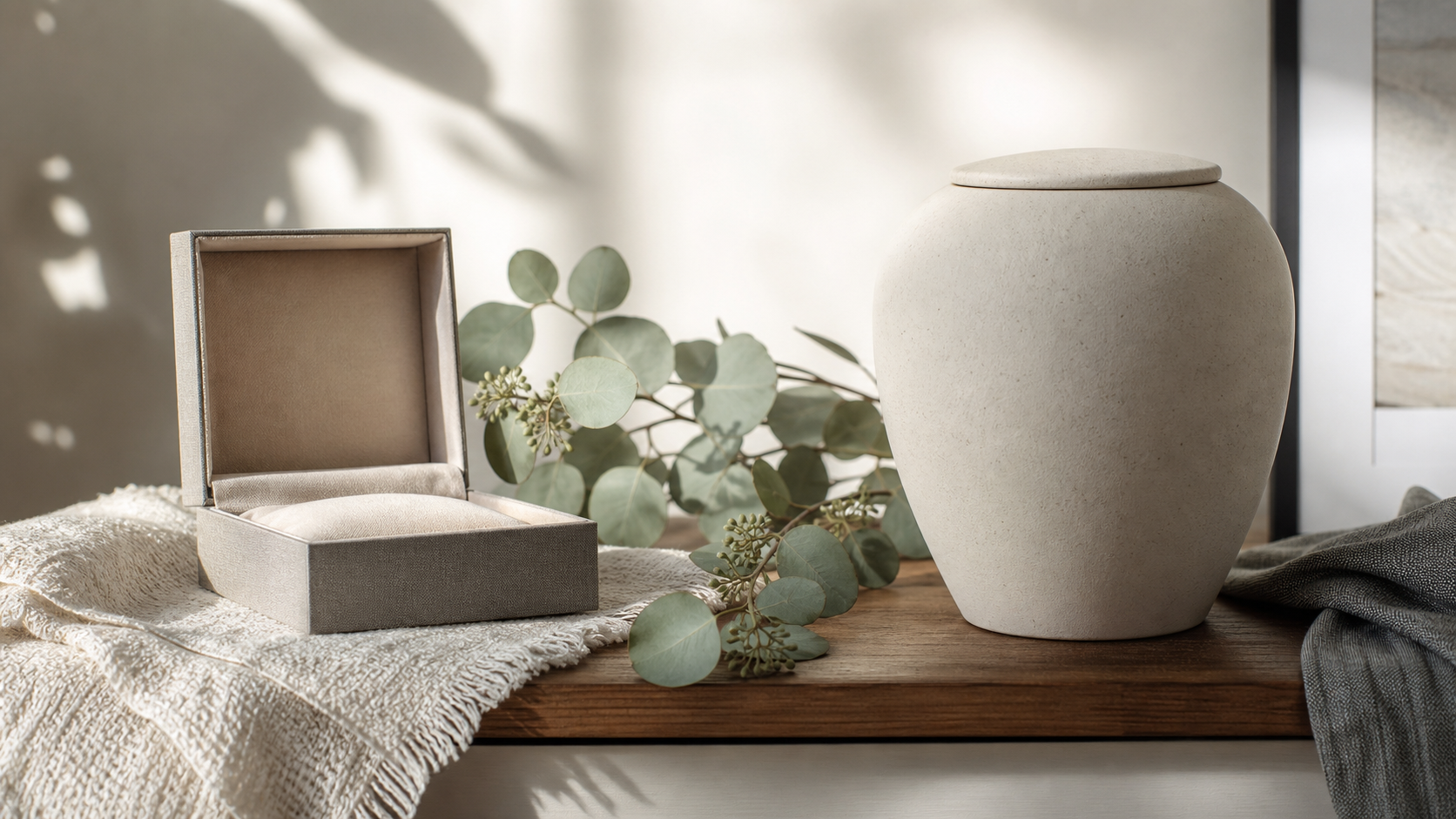
Choose one shared memorial gift when the family gathers around a common place, photo, or ritual and someone can care for the item. Choose individual keepsakes when people live apart, want different levels of visibility, or need their own private relationship with the person who died. A family does not need identical objects to show equal love. Use the shared-versus-individual matrix below, decide how photos or ashes will be handled with consent, and document names, dates, and return limits before ordering multiple personalized items.
Side-by-side decision
Choose shared or individual using six practical questions
A family can use this matrix in a short conversation. Mark each row shared, individual, or unresolved; unresolved rows are a reason to pause rather than force an order.
One shared keepsake
- Fits when
- The family shares a home, remembrance table, gathering place, or agreed ritual
- Strong formats
- Large memorial blanket, framed poster, ornament, or a shared journal
- Decide first
- Who stores it, who can use it, which photo or wording is approved, and what happens later
- Tradeoff
- More visual unity, but one person may control access or feel the design is not private enough
Individual keepsakes
- Fits when
- Family members live apart, have different routines, or want separate ways to remember
- Strong formats
- Journals, mugs, candles, ornaments, framed photos, or unfilled cremation necklaces
- Decide first
- Whether items should be identical, adapted to each person, or allowed to differ
- Tradeoff
- More autonomy and privacy, but more proofing, shipping, and coordination
Pause and discuss
- Fits when
- Ashes, photos, names, dates, display wishes, budget, or responsibility are unresolved
- Do now
- Send a note or practical support and schedule a short family decision conversation
- Decide first
- Consent, accuracy, access, and whether any item is being treated as a final memorial record
- Tradeoff
- Slower purchase, but lower risk of conflict, regret, or an irreversible personalization error
Key takeaways before you buy
- One shared object works best when use, storage, access, and responsibility are genuinely shared.
- Individual keepsakes work better when family members live apart or want different privacy and display choices.
- Do not divide ashes, choose a photo, or publish a tribute without the people responsible for those decisions agreeing first.
- Identical does not mean fair; match format, size, and personalization to each recipient's real life.
- Budget for production, shipping, proofing, and limited personalized returns before promising every family member a finished item.
Decide what the gift is responsible for
A shared blanket or framed photo can give a family a common place to remember. It can also create an unspoken question: who keeps it, who decides when it is displayed, and who gets access when relatives disagree? An individual journal, mug, ornament, or necklace gives one person more control over their own relationship with the loss. Neither choice is more loving; they solve different coordination problems.
Write down the intended use in one sentence before comparing products. For example: This blanket will stay in the family room for anyone to use, or Each sibling will receive a private object with the same approved name and dates. If the sentence cannot be agreed, the purchase is not ready. A practical definition protects the gift from becoming a proxy for a family decision that has not been made.
Handle ashes, photos, and wording with consent
A memorial object can contain several separate decisions: whether to use ashes or another keepsake material, which photo is approved, what name and dates are correct, and whether the tribute is private or public. The person legally or practically responsible for the remains may need to lead the ashes conversation. Jewel Lay's existing guidance explains that a small amount can be divided only after the family agrees on the plan; a purchase should not silently settle that disagreement.
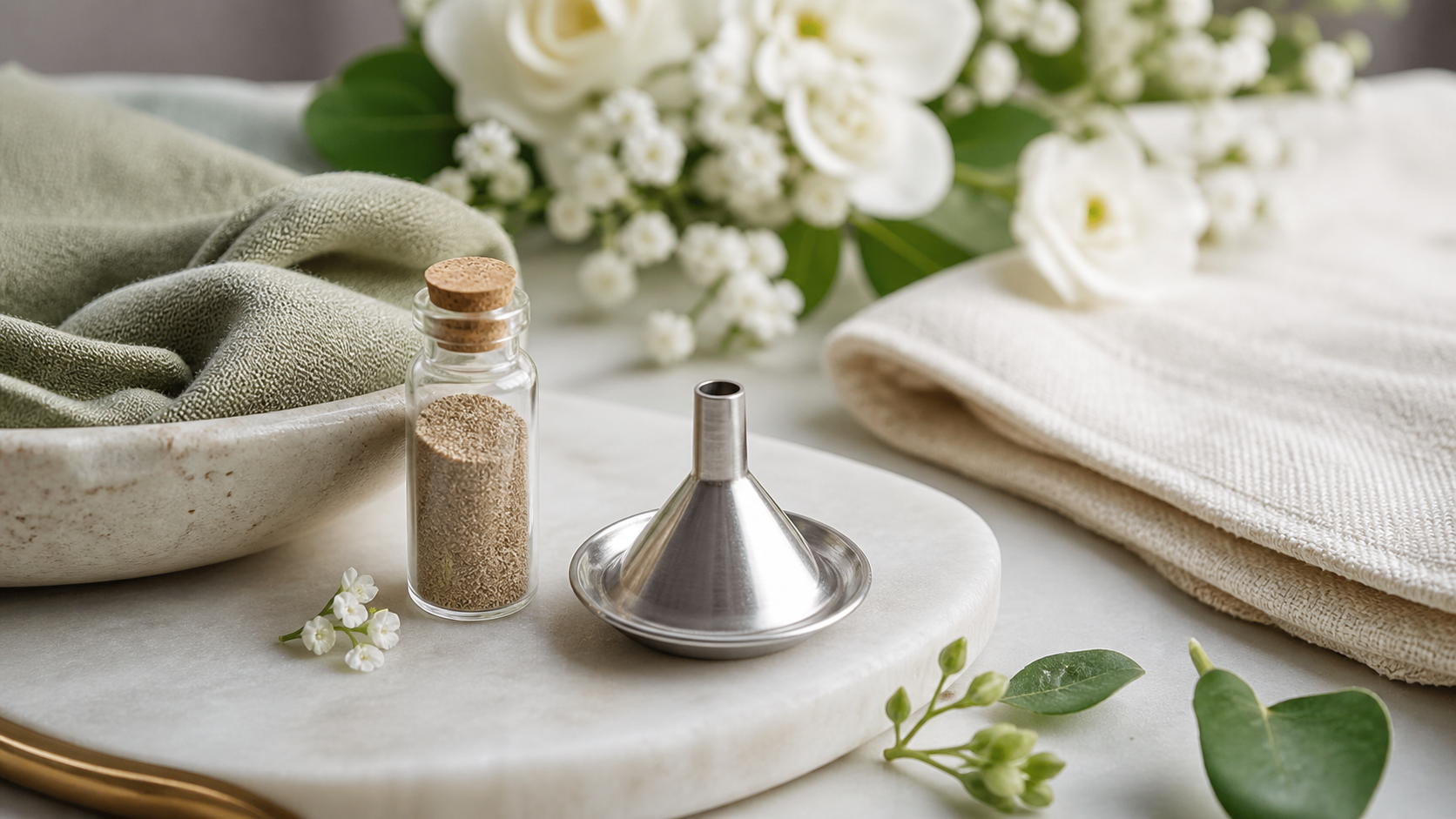
The same applies to family photographs. Ask who owns or can share the original, confirm that everyone pictured is represented respectfully, and let the recipients review the crop and wording before production. For cremation jewelry, give the pendant unfilled unless the intended wearer has explicitly asked for a filled keepsake and chosen what belongs inside.
Do not make equality depend on identical products
One family member may want a visible blanket, another may prefer a journal, and another may wear an unfilled necklace. Matching the emotional and practical fit matters more than making every item look the same. If the family wants visual connection, repeat a verified name, dates, color, or short line while allowing size, format, and privacy to differ.
A worked example makes the tradeoff clear. Three siblings live in different states: one uses a reading blanket, one writes privately, and one does not wear jewelry but keeps a morning mug. Three identical necklaces would create poor fit; a shared framed poster would leave two people without an object at home. Three format-matched but individually chosen keepsakes respect the same relationship without pretending their routines are identical.
Set the order and budget boundary before checkout
For multiple personalized items, list the per-item price, size or option adjustments, production window, shipping method, proofing step, and what happens if one item has an error. Do not promise a delivery date from the holiday or anniversary alone; use the current product and shipping information. Keep each recipient's approved spelling and personalization separate so one correction does not silently propagate to every item.
The FTC recommends checking seller information, transaction records, and policies when shopping online. Jewel Lay's personalized product pages explain current production, review, shipping, and personalized-return terms. Confirm those details for the exact items before collecting money from relatives or treating the purchase as final. The clear next decision is whether the family has enough agreement to place one order, several orders, or no personalized order yet.
Primary references
Sources and further reading
These references support the practical guidance above. Product-specific instructions should still take priority for the exact keepsake you own.
Recommended next step
Products that fit this search
Compare the relevant collection first, then inspect the product photos, included tools, price, shipping, and return details before choosing.
People also ask
Should a family choose one memorial gift or a keepsake for each person? FAQ
Is one shared memorial gift better than several keepsakes?
Choose one when use, access, storage, and personalization are shared. Choose individual keepsakes when relatives live apart or want different privacy and routines.
Should family members receive identical memorial gifts?
Not necessarily. Repeat a verified name, dates, color, or short line for connection, but adapt the format and size to each person's real use.
Who decides whether ashes go into family keepsakes?
Discuss the plan with the person responsible for the remains and the intended recipients. Do not fill jewelry or divide ashes as a surprise.
How can a family avoid conflict over a shared memorial gift?
Agree in writing on purpose, access, storage, approved photo and wording, budget, and what happens to the item later before ordering.
Keep researching