Cremation planning
How to divide ashes among family members
A respectful step-by-step plan for sharing cremated remains, choosing keepsake containers, documenting portions, and handling disagreement without rushing.
Families can share cremated remains by first confirming who has authority and whether the person left instructions, then agreeing on the overall memorial plan, collecting each recipient's preference, choosing labeled secure containers, and asking the funeral home to handle the division if anyone is uncomfortable. Do not open the primary container until the number of portions, tools, workspace, remainder, and documentation are settled.
Key takeaways before you buy
- Consent and a shared plan matter more than making every portion physically equal.
- Keep identification with every portion and document who received what.
- Use a funeral professional when legal authority, handling, sealing, or family conflict is unclear.
Confirm wishes and decision authority first
Look for written prearrangements, authorization forms, estate directions, cemetery plans, and conversations the person had with the family. Then identify the person with legal authority over the remains under the rules where the death and arrangements occurred. Family closeness alone may not determine who can authorize every action.
If the instructions are unclear, ask the funeral home or crematory what documents they have and what state or local rules apply. Do not resolve an authority question by quietly removing a portion. A transparent process protects the memorial and the family relationship.
Separate the legal question from the emotional one. One person may have authority, but a thoughtful plan can still invite preferences from children, siblings, a spouse, friends, or other people important to the deceased.
Ask what each person actually wants
Offer a menu rather than assuming everyone wants ashes. Choices might include a small home urn, cremation jewelry, participation in a future scattering, a burial location, a photo or non-ash keepsake, or no physical item. Give people time and a private way to answer.
A symbolic jewelry portion is far smaller than a keepsake urn portion. Fairness therefore should not be measured only by volume. Consider whether the overall plan respects each person's connection and the deceased person's wishes without exhausting the remains or forcing a memorial responsibility onto someone.
Record the requested option, whether the person wants the container filled now, and whether they want to be present. Silence is not consent; preserve the portion securely until the person is ready.
Plan containers, labels, tools, and the remainder
List every destination before opening the primary container. Match each portion to a secure vessel that is appropriate for its use. Jewelry needs only a tiny dry pinch; keepsake urns need their stated capacity; cemetery placement may require an approved container; temporary portions need durable closures.
Prepare labels with the person's name, dates, the date of division, and the recipient or destination. Keep the cremation identification and supporting paperwork with the primary remains and provide copies when a cemetery, carrier, or traveler needs them.
Decide who will retain the remainder and how it will be stored. A division plan is incomplete if everyone chooses a keepsake but nobody accepts responsibility for the primary container.
Use a controlled workspace or professional help
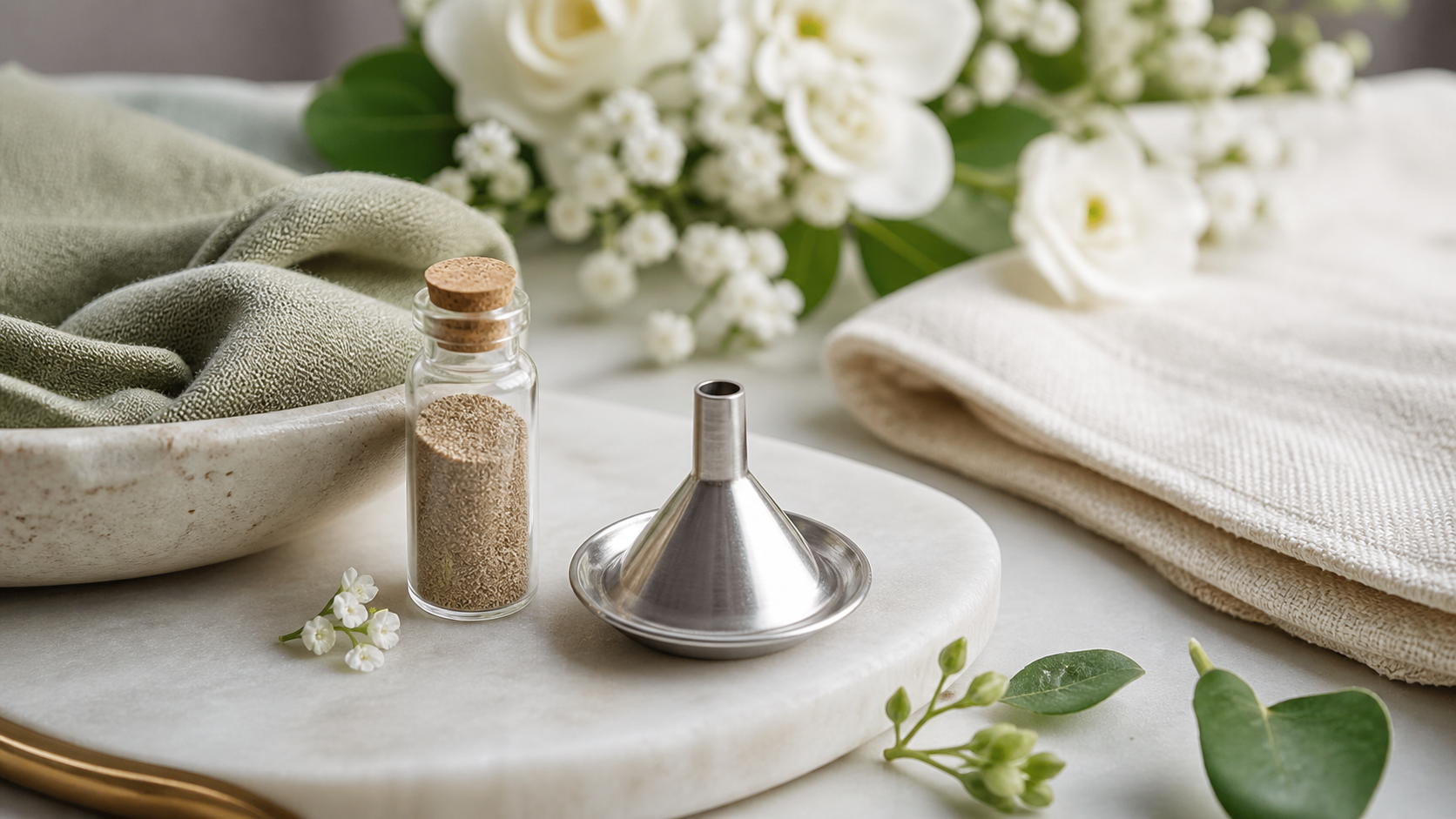
If the family handles the transfer, work indoors on a stable table away from moving air, water, children, and pets. Use a large clean tray or paper-covered surface, small scoops or the supplied funnel, gloves if preferred, and one labeled container at a time.
Do not force fragments through jewelry openings or overfill closures. Close and inspect each container before moving to the next. Clean the workspace respectfully and return the primary container to secure storage immediately.
A funeral home may be able to divide, transfer, or seal portions. Professional help is especially valuable for many recipients, cemetery containers, international transport, fragile jewelry, emotional discomfort, or any concern about identification.
Handle disagreement without making the memorial irreversible
When relatives disagree, keep the remains secure and pause scattering, permanent artwork, burial, or sealing. Write down the points of agreement, the unresolved choices, and the minimum reversible step that protects everyone's interests.
A neutral funeral director, clergy member, grief counselor, mediator, or attorney may help depending on whether the conflict is practical, religious, emotional, or legal. Do not use the physical division as leverage in a broader family dispute.
After agreement, give each recipient a short record of what the container holds and basic care instructions. If a portion will be mailed, transported, buried, or scattered, check the current rules for that separate action before it leaves secure custody.
Primary references
Sources and further reading
These references support the practical guidance above. Product-specific instructions should still take priority for the exact keepsake you own.
Recommended next step
Products that fit this search
Compare the relevant collection first, then inspect the product photos, included tools, price, shipping, and return details before choosing.
People also ask
How to divide ashes among family members FAQ
Is it wrong to separate cremated ashes?
Many families keep separate portions, while some religious or personal traditions prefer the remains stay together. Follow the person's wishes and the family's beliefs rather than assuming one practice is universal.
Does everyone need an equal amount of ashes?
No. A jewelry keepsake needs far less than a small urn. A fair plan considers preferences and intended use, not only identical volume.
Can a funeral home divide ashes for the family?
Many funeral homes can assist with transfers or explain local options. Ask about availability, containers, documentation, sealing, and any fee before the appointment.
What if the family cannot agree?
Keep the remains secure and avoid irreversible steps while decision authority and the disagreement are addressed with an appropriate professional.
Keep researching