Cremation planning
What to do with a small amount of ashes
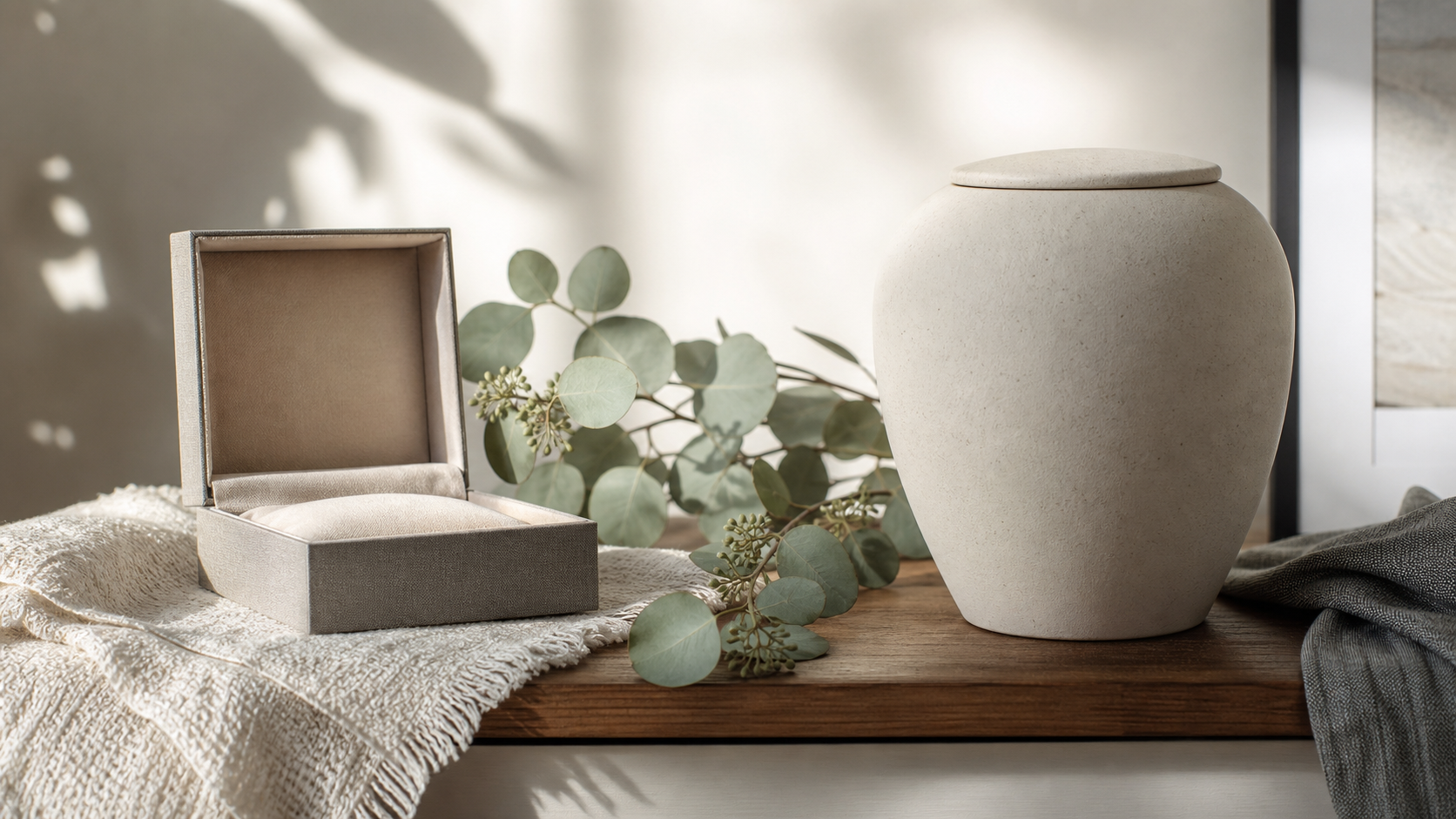
Compare keepsake urns, cremation jewelry, scattering, burial, memorial objects, and family sharing before deciding what to do with a small portion of ashes.
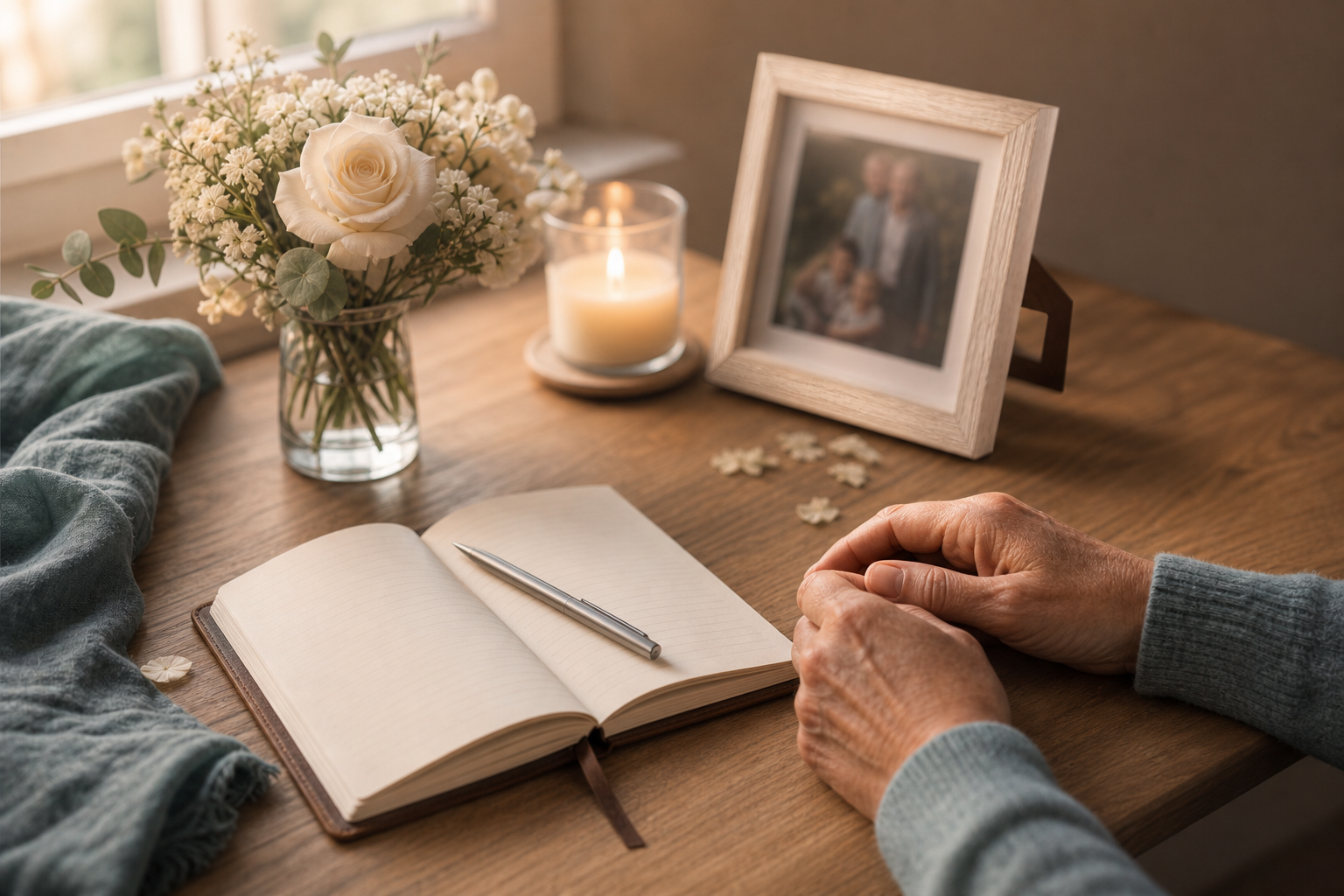
A small amount of ashes can be kept in cremation jewelry or a miniature urn, shared among relatives, placed in a memorial object, buried, interred, or scattered where local rules and property permissions allow. The best choice is the one that is legal, emotionally comfortable, reversible enough for your family, and consistent with any wishes the person left. You do not have to decide immediately.
Key takeaways before you buy
- Separate reversible choices from irreversible ones before the family decides.
- Confirm cemetery, property, travel, shipping, and local scattering rules rather than relying on a generic checklist.
- Document what was divided, where it is kept, and who agreed to the plan.
First decide whether the choice can be changed later
Keeping ashes in a temporary container, keepsake urn, or unsealed jewelry chamber leaves future options open. Scattering, mixing into permanent artwork, burial without a retrievable container, and some sealed memorials may be difficult or impossible to reverse. That difference matters more than choosing the most creative idea.
If grief is recent or relatives disagree, pause the irreversible choices. Store the remains securely, keep the identification and cremation documents with them, and write down who has custody. There is no general requirement to turn a small portion into a memorial immediately.
CANA describes many memorialization paths, including placement, scattering, keepsakes, and jewelry. Use those categories as a decision menu, then confirm the rules with the funeral home, cemetery, landowner, carrier, or local authority that applies to your plan.
Ten practical options for a small portion
You can place the portion in a miniature keepsake urn; fill one or more chamber pendants; retain it in the original secure container; bury it in an approved plot; place it in a columbarium niche if accepted; scatter it in a permitted place; share separate keepsakes among relatives; include it in a professionally made memorial object; keep it with a memory box; or ask the funeral home about combining it with the primary urn later.
Each option has a different emotional and practical footprint. Jewelry is private and portable but holds very little. A keepsake urn is visible and easier to identify. A cemetery placement creates a stable visiting place. Scattering may connect strongly to a location but is irreversible and can raise property or environmental rules.
Avoid vendors who pressure you to act before you understand the process. Ask how much material is needed, whether unused material is returned, whether the finished object can be repaired, and what happens if production fails.
Sharing among family works best with a written plan
If several relatives want a keepsake, agree on the overall plan before opening the primary container. Decide how many portions are needed, what type of container each person will use, who will handle the transfer, and what will happen to the remainder.
Equal volume is not always the same as a fair outcome. One person may want jewelry, another may want a home urn, and another may want no physical portion at all. Start with preferences and consent instead of assuming every close relative needs identical keepsakes.
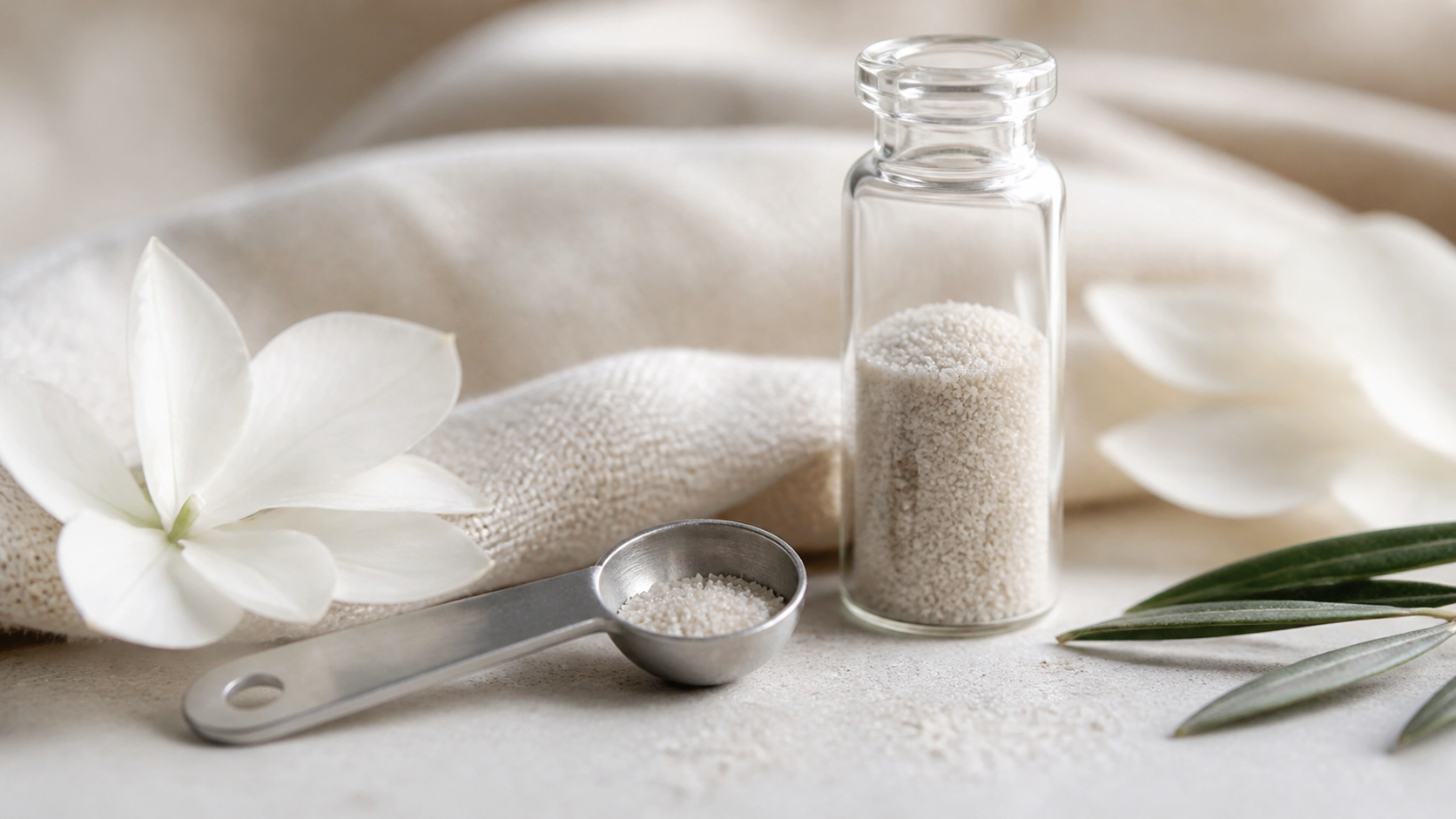
Use a clean tray, label each prepared container, and update a simple family record afterward. If anyone is uncomfortable handling the remains, ask a funeral professional to divide and transfer them.
Travel and shipping need their own checks
A necklace worn as ordinary jewelry is a different situation from transporting loose cremated remains in a container. If you plan to fly with a portion, check the current airport, airline, destination, and international documentation rules before packing. Requirements can change and security officers must be able to screen the container.
For mailing cremated remains in the United States, use current USPS guidance rather than an ordinary parcel workflow. USPS provides specific packaging, labeling, and service requirements for cremated remains. A seller shipping empty jewelry is not following the same process as a family mailing filled remains.
Keep copies of relevant documents with the traveler or shipper, protect the container against opening, and leave time to solve questions before the memorial date.
Use a four-question decision test
Ask: Is the choice allowed in the place where it will happen? Does the person receiving the keepsake actively want it? Can the family reverse or revise the choice? Who will maintain, store, or inherit it? A good memorial option has clear answers to all four.
Then consider daily life. A person who rarely wears necklaces may prefer a small home urn or memory box. Someone who travels often may prefer an engraved but empty pendant. A family that gathers at a cemetery may value a stable shared place more than individual objects.
The goal is not to use every portion or create the most elaborate memorial. It is to choose one form of remembrance the family can live with after the immediate grief and ceremony have passed.
Primary references
Sources and further reading
These references support the practical guidance above. Product-specific instructions should still take priority for the exact keepsake you own.
Recommended next step
Products that fit this search
Compare the relevant collection first, then inspect the product photos, included tools, price, shipping, and return details before choosing.
People also ask
What to do with a small amount of ashes FAQ
How much ash is needed for cremation jewelry?
Usually only a symbolic pinch, but capacity varies by pendant. Follow the exact product instructions and never force material into the chamber.
Can family members split cremated remains?
Families commonly keep separate portions, but agreement, labeling, secure handling, and any controlling legal directions should be considered first.
Is it okay to keep ashes at home?
Many families do. Keep the container secure, identified, dry, and protected from accidental disposal or damage, and check any rules that apply where you live.
Do I have to decide what to do with ashes right away?
No. Secure temporary storage is a valid choice while you compare options or wait for family agreement.
Keep researching