Cremation jewelry care
Can you wear cremation jewelry in water?
Learn whether cremation jewelry can go in the shower, pool, ocean, or hot tub, why water and chemicals matter, and how to protect a filled memorial pendant before you buy.
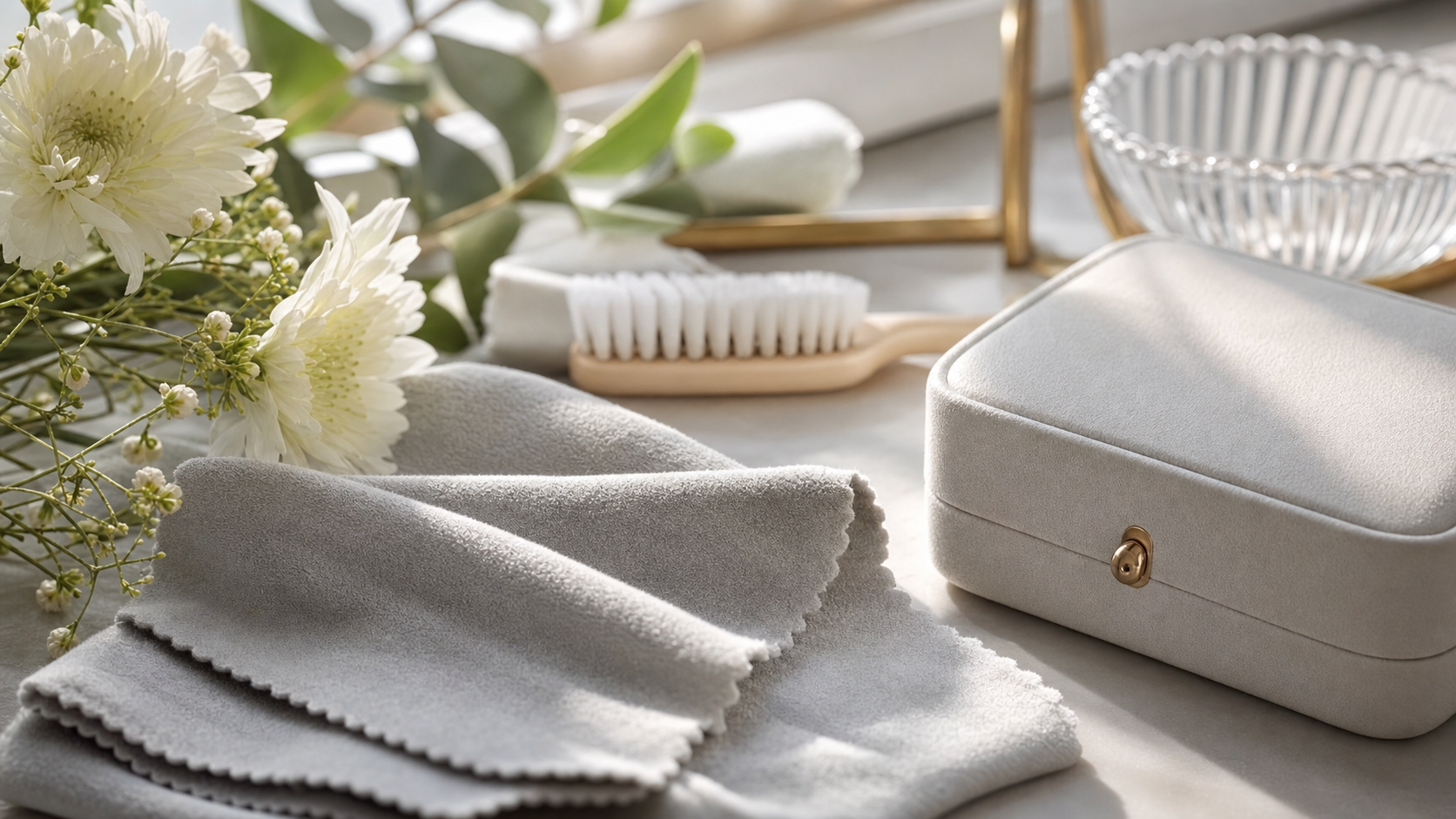
Treat cremation jewelry as water-resistant only when the maker explicitly documents that claim; otherwise remove it before showering, bathing, swimming, hot tubs, the ocean, or water-heavy chores. Jewel Lay's current Blue Heart and Sterling Silver Tree cremation necklace instructions say to keep the pendant dry and remove it before swimming, showering, washing dishes, or applying lotion and cosmetics. Water can accelerate sterling-silver tarnish, while chlorine, salt, soap, heat, and cosmetics can damage finishes, chains, seals, and the tiny keepsake chamber. Let the pendant dry fully, store it separately, and follow the exact care instructions for the product you own.
Key takeaways before you buy
- Do not assume a cremation necklace is waterproof because its chamber closes with a screw or because the metal is sterling silver.
- Remove the pendant before showers, baths, swimming pools, hot tubs, ocean water, workouts, dishwashing, and applying lotion, perfume, or hair products unless the maker gives different written instructions.
- Water exposure can affect more than shine: moisture and chemicals can accelerate tarnish, weaken finishes, add residue around threads, and create a risk of losing a filled pendant when a wet chain or clasp slips.
- If a filled pendant gets wet, dry the outside gently, avoid opening it while damp, inspect the screw closure and chain, and ask the maker for product-specific help if moisture may have entered the chamber.
- Jewel Lay's current cremation necklaces include filling tools and a polishing cloth, but their care instructions still call for keeping the necklace dry and removing it before water exposure.
The short answer: remove it before water exposure
A cremation pendant is a memorial container as well as a piece of jewelry. A screw-close opening can reduce the chance of accidental opening, but it does not make the pendant a certified waterproof container. Unless the product maker has tested and documented water use, the safest buying assumption is that the necklace should stay dry.
That means taking it off before a shower, bath, pool, hot tub, ocean swim, workout, or water-heavy household task. Jewel Lay's current Blue Heart and Sterling Silver Tree product pages give this same practical direction: keep the necklace dry and remove it before swimming, showering, washing dishes, or applying lotion and cosmetics. Follow the instructions on the exact product page and packaging because construction and finishes differ between designs.
This is a care recommendation, not a promise that one brief splash will ruin every necklace. It is a way to avoid repeated exposure that is difficult to reverse, especially after the pendant has been filled with ashes, fur, dried flowers, soil, perfume, or another personal keepsake.
Why water, chlorine, salt, and soap are different risks
Plain fresh water is not the same exposure as a chlorinated pool, salt water, hot tub, or a shower covered in shampoo and body wash. GIA explains that chemicals can damage or discolor precious metals and that silver benefits from dry, protected storage. Tiffany's sterling-silver guidance specifically lists chlorine, salty air, humidity, perspiration, cosmetics, and strong chemicals as tarnish risks.
The metal is only one part of a cremation necklace. Moisture can collect around the screw threads, bail, jump ring, clasp, chain, and any seam between materials. Soap and lotion can leave a film that traps grit. Chlorine and hot water add a harsher chemical and heat environment. Salt water can leave crystals as it evaporates. None of these conditions tells you whether moisture entered the keepsake chamber, so prevention is easier than trying to diagnose a filled pendant later.
A maker's statement that a metal will tolerate occasional water is not automatically a statement that the whole memorial necklace is waterproof. Check whether the wording addresses the complete pendant, chain, finish, closure, and filled chamber, not only the base metal. If the page says to keep it dry, treat that as the controlling instruction.
What to do before a shower, swim, or workout
Create one repeatable storage habit instead of relying on memory. Put a small, dry jewelry dish or the product box outside the bathroom and away from the pool edge. Remove the necklace before turning on the water, close the clasp or place the chain in the box, and keep the pendant separate from keys and other pieces that could scratch it.
Do not leave a filled pendant on a sink, towel, or pool ledge. It can slide into a drain, get knocked onto a hard surface, or be picked up with a wet towel. A box in a dry room is a better temporary location. GIA also recommends separate storage to protect jewelry from scratches and to keep sterling silver in an anti-tarnish bag or cloth when appropriate.
If you use a locker or travel bag, place the necklace in a small lidded case rather than a loose pocket. Keep a note with the product instructions and support contact if the pendant contains irreplaceable material. The goal is to prevent both water exposure and a rushed decision about where the keepsake is safe.
If the necklace gets splashed or soaked
First, move away from the water and secure the pendant so it cannot fall. Pat the outside with a clean, soft, lint-free cloth. Do not swing the chain to dry it, scrub the threads, use a hair dryer, or place the pendant on a heater. Excess heat and sudden temperature changes can harm some jewelry materials, and rough handling can stress a clasp or bail.
Do not unscrew a filled pendant while it is damp. Opening it can introduce additional moisture, spill the contents, or contaminate the threads. Let the exterior dry naturally in a clean, dry place, then inspect the closure, chain connection, bail, and any visible finish. If the pendant feels loose, the screw no longer seats, or you see moisture near the opening, stop wearing it and contact the maker before trying to repair it.
A polishing cloth can remove light residue from an exterior surface when the product instructions allow it. Jewel Lay's Blue Heart instructions call for gentle use of the included polishing cloth and say not to wash that cloth. Do not use silver dips, ultrasonic cleaners, abrasive toothpaste, or household chemicals unless the maker specifically approves them for the exact pendant.
How water exposure affects a filled keepsake chamber
The material inside a memorial pendant changes the stakes. A tiny amount of ashes or soil may clump when wet, while dried flowers, paper, or a written note can discolor or deteriorate. Hair or fur may hold moisture against the chamber wall. Even if the pendant exterior looks fine, you cannot confirm the condition of the contents without opening it, and opening it may create a second risk.
Before filling any necklace, make a dry storage plan for the pendant and any remaining material. Fill it only with dry contents and use the supplied tool or the maker's stated method. If the recipient is not comfortable doing this, a funeral professional or trusted jeweler may be able to explain the handling options. The person who owns the keepsake should decide what goes inside and when it is filled.
For a gift, say clearly that the necklace should be removed before water exposure. That small instruction is more useful than calling a pendant waterproof without documentation. It also gives the recipient permission to wear the jewelry privately and carefully, rather than treating constant wear as the measure of whether the gift is meaningful.
What to check on a product page before you buy
Look for a clear care section, the base metal and finish, chain material, closure style, included tools, and support instructions. A product page that says 925 sterling silver tells you something useful about composition, but it does not answer whether the complete necklace is safe for showers or swimming. The care language should answer that question directly.
For Jewel Lay's current Blue Heart necklace, the page identifies 925 sterling silver with rhodium plating, a screw-close keepsake opening, a 22-inch chain, filling tools, polishing cloth, and gift box. It also instructs the owner to remove the necklace before swimming, showering, washing dishes, or applying lotion and cosmetics. The current Sterling Silver Tree page similarly says to keep the pendant dry and remove it before water exposure.
Also check return and support terms before adding a personal keepsake. Jewel Lay's shipping and returns page says personalized items can only be returned for damage or production error, and a filled necklace should be treated as a final memorial item. Inspect the empty pendant first, confirm the closure works, and resolve questions before placing irreplaceable material inside.
A practical care routine for regular remembrance
Wear the necklace during the dry parts of the day, then remove it before water, cosmetics, exercise, or sleep if the maker recommends that routine. Wipe visible residue gently with the approved cloth, allow perspiration or humidity to evaporate, and return the pendant to a dry box or pouch. Keep the chain unclasped only when the necklace is secured so it does not tangle or snag.
Every few weeks, examine the chain links, clasp, bail, screw closure, and any visible plating under good light. Look for a loose connection, a change in how the screw seats, roughness around the opening, or a finish that is lifting. These checks do not prove the chamber is sealed, but they can catch a problem before the pendant is lost.
Keep the product page and care instructions with the keepsake information. If you later change chains, travel with the necklace, or ask a jeweler about repair, the exact material and closure details will be easier to confirm. When in doubt, remove it and ask the maker; a few minutes without the pendant is safer than testing it in a pool or shower.
Primary references
Sources and further reading
These references support the practical guidance above. Product-specific instructions should still take priority for the exact keepsake you own.
- Jewel Lay: Blue Heart Cremation Necklace care instructions
- Jewel Lay: Sterling Silver Tree Cremation Necklace care instructions
- GIA: Tips on Caring for Jewelry
- GIA 4Cs: White Gold vs. Silver
- Tiffany & Co.: Can Tiffany Jewelry Get Wet?
- Tiffany & Co.: Does Sterling Silver Tarnish?
- Pandora: Product Use and Care FAQs
Recommended next step
Products that fit this search
Compare the relevant collection first, then inspect the product photos, included tools, price, shipping, and return details before choosing.
People also ask
Can you wear cremation jewelry in water? FAQ
Can you shower with cremation jewelry?
Unless the maker explicitly documents shower-safe use for the complete necklace, remove it before showering. Jewel Lay's current cremation necklace instructions say to keep the pendant dry and remove it before showering.
Can you swim with an ashes necklace?
It is safest to remove an ashes necklace before swimming in a pool, ocean, lake, or hot tub. Chlorine, salt, moisture, heat, and a slippery chain can affect the jewelry and increase the chance of loss.
Does a screw-close cremation pendant make it waterproof?
No. A screw-close opening can help retain a tiny keepsake, but it is not proof that the complete pendant has been tested as waterproof. Follow the product's written care instructions.
What should I do if my cremation necklace gets wet?
Secure it, pat the exterior dry with a soft cloth, let it air-dry naturally, and do not open a filled pendant while damp. Inspect the closure and contact the maker if moisture may have entered or the closure feels loose.
Can sterling-silver cremation jewelry go in water?
Sterling silver can tolerate different conditions than a complete memorial necklace, but repeated moisture, chlorine, salt, humidity, perspiration, and cosmetics can accelerate tarnish. Treat the necklace as dry-care jewelry unless its maker says otherwise.
Should I remove cremation jewelry before applying lotion?
Yes, when the product instructions recommend it. Lotion, perfume, sunscreen, hair products, and cosmetics can leave residue and expose the metal or finish to chemicals. Apply products first, let them settle, and put the dry necklace on afterward.
Keep researching