Cremation jewelry
Can you wear cremation jewelry every day?
How to decide whether an ashes necklace fits daily wear, including water, sleep, exercise, storage, inspection, cleaning, and closure care.
You can wear many cremation-jewelry pieces regularly, but everyday should not mean continuously. Remove the necklace for showers, swimming, exercise, sleep, cleaning, lotions, fragrance, and any activity that can soak, pull, strike, or chemically expose the pendant. Inspect the chain, clasp, bail, and chamber closure before wearing it, and follow the material and sealing instructions for your exact piece.
Key takeaways before you buy
- Daily wear is safer when the necklace has a consistent on-and-off routine.
- Water, chemicals, sweat, impact, and chain tension create different risks, so one care claim does not cover every activity.
- A soft separate storage pouch and a quick pre-wear inspection protect both the jewelry and the keepsake.
Regular wear and continuous wear are not the same
Regular wear means the necklace is part of your routine. Continuous wear means it stays on through water, sleep, exercise, chores, and changing clothes. The second pattern adds preventable strain to the chain and closure and exposes the finish to sweat, soap, chlorine, salt, cosmetics, and impact.
The internal keepsake changes the consequence of a failure. A broken fashion necklace is frustrating; a loose chamber screw or snapped chain can also risk losing something irreplaceable. A conservative care routine is therefore reasonable even when the metal itself is marketed for frequent wear.
Check the seller's material details. Sterling silver, stainless steel, plated alloys, stones, enamel, and adhesives age differently. General jewelry advice cannot override the instructions for a particular pendant.
Remove it for water, sweat, chemicals, and impact
Take cremation jewelry off before showering, bathing, swimming, washing dishes, or entering a hot tub. Soap and mineral residue can dull the surface; chlorine and salt may damage some metals and finishes; and water can reach threaded openings that were not designed for immersion.
Remove it before workouts, sports, yard work, cleaning, and physical jobs. Sweat and body products build up around the pendant, while movement can pull the chain or knock the jewelry against equipment. Put on fragrance, sunscreen, lotion, and hair products first, let them dry, and add the necklace last.
A pendant described as water resistant may still have a different closure, chain, stone setting, or keepsake-sealing limitation. Do not use a water claim as permission to submerge filled jewelry.
Sleeping in the necklace adds chain and snag risk
Remove the necklace before sleep. Chains can catch on bedding, hair, clothing, children, and pets. The pendant may press against the body or strike a bedframe, and repeated twisting can weaken fine links even when no single incident looks serious.
Create one consistent storage place near your bedtime routine. Lay the chain flat in a lined box or close the clasp and place the piece in its own soft pouch. GIA recommends storing jewelry separately to reduce scratching and tangling; sterling silver can also benefit from an anti-tarnish bag.
If removing it feels emotionally difficult, choose a nearby memorial ritual instead: keep the necklace in a bedside box, place a photo beside it, or wear it during a set part of the day. Care does not reduce the meaning.
Use a 30-second inspection before wear
Hold the necklace over a tray or bed. Check the clasp closes fully, the chain has no stretched or bent links, the bail is not opening, and the chamber screw or cap is seated as intended. Look for discoloration, cracks, looseness, sharp edges, or residue around the opening.
Do not repeatedly tighten a threaded closure with force. Over-tightening can damage fine threads. If it loosens, will not seat, or shows residue, stop wearing the piece and ask the seller or a qualified jeweler what can be repaired without disturbing the contents.
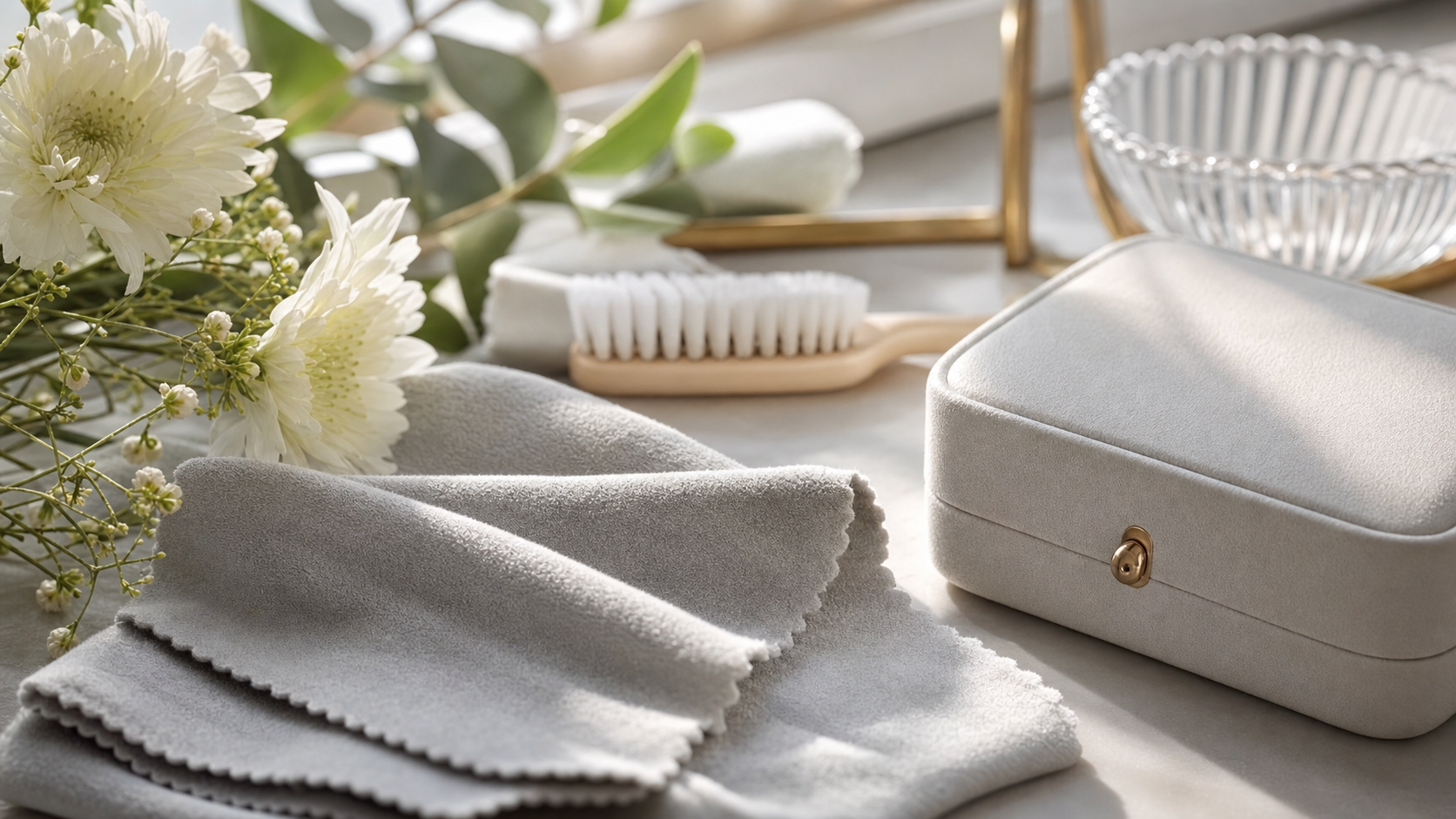
After wear, wipe the outside gently with a clean soft cloth. Avoid abrasive paste, household cleaner, ultrasonic machines, steam, and liquid dips unless the maker specifically approves them for the entire filled piece.
Choose a wearing schedule that fits the necklace
Some people wear memorial jewelry only on anniversaries and family events. Others wear it most workdays and remove it at home. A rotating schedule can reduce wear while preserving the comfort of carrying the memorial when it matters most.
Consider the chain separately from the pendant. If the pendant has substantial weight or the original chain feels very fine, ask whether a compatible stronger chain is appropriate. The clasp and bail opening must still fit and support the pendant without scraping it.
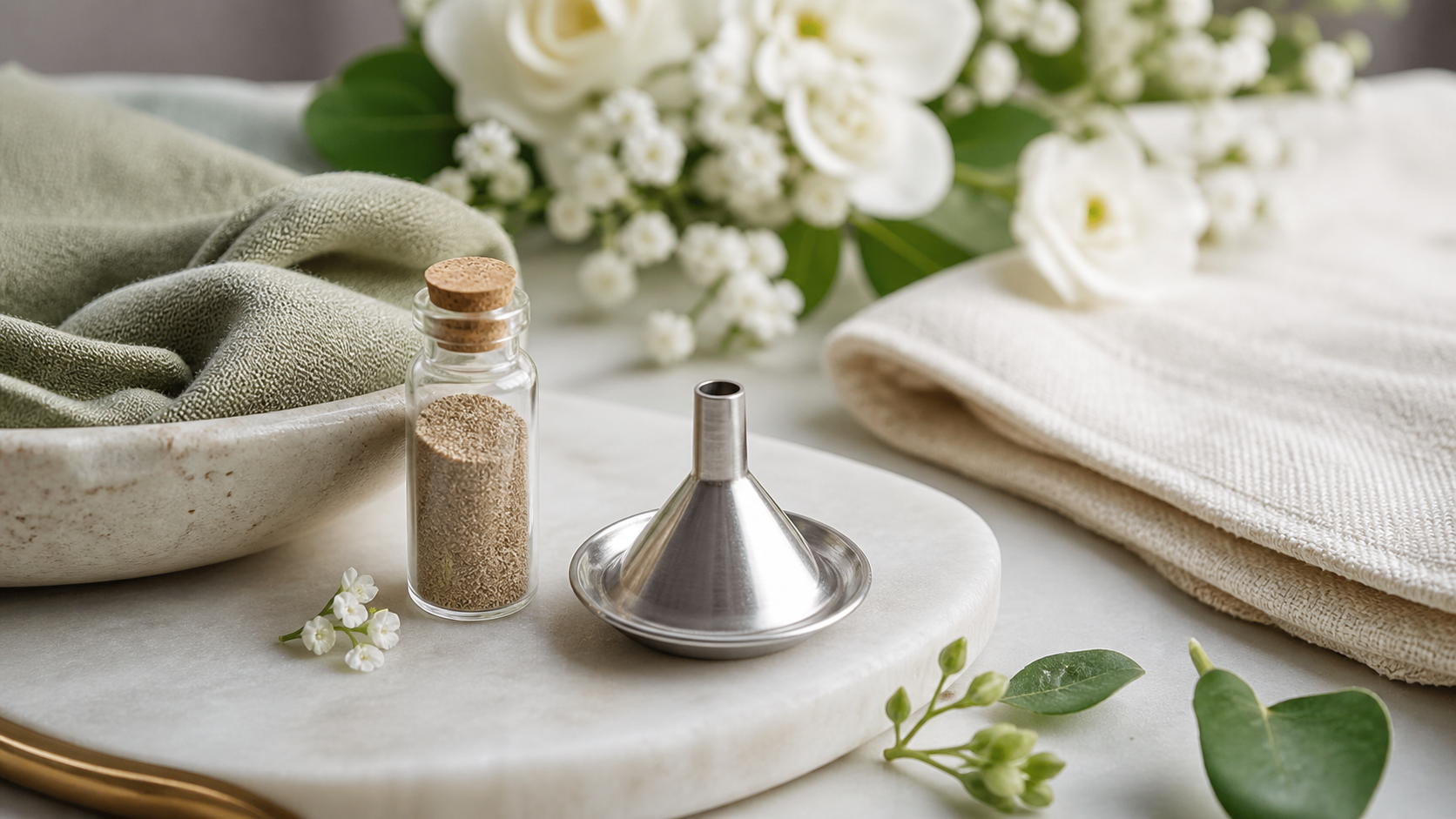
Keep the original instructions, order details, filling tools, and a note describing the contents together. If the necklace ever needs service, that information helps you explain why ordinary cleaning or repair methods may not be appropriate.
Primary references
Sources and further reading
These references support the practical guidance above. Product-specific instructions should still take priority for the exact keepsake you own.
Recommended next step
Products that fit this search
Compare the relevant collection first, then inspect the product photos, included tools, price, shipping, and return details before choosing.
People also ask
Can you wear cremation jewelry every day? FAQ
Can you shower with cremation jewelry?
It is safer to remove it. Water, soap, residue, and an unverified chamber seal can create avoidable risk even if the base metal tolerates occasional moisture.
Can you sleep with an ashes necklace on?
Remove it before sleep to reduce snagging, chain twisting, impact, and pressure on the pendant.
How often should you check an urn necklace?
Give the chain, clasp, bail, and closure a quick look before each wear and a closer inspection whenever anything feels loose or looks different.
Can a jeweler repair cremation jewelry?
Possibly, but tell the jeweler that the pendant contains a keepsake before any heat, liquid, ultrasonic cleaning, or disassembly is considered.
Keep researching