Cremation jewelry
How can you tell if cremation jewelry is good quality?
A buyer's quality checklist for cremation jewelry covering metal disclosures, chamber and closure construction, chain fit, product evidence, policies, filling instructions, and seller support.
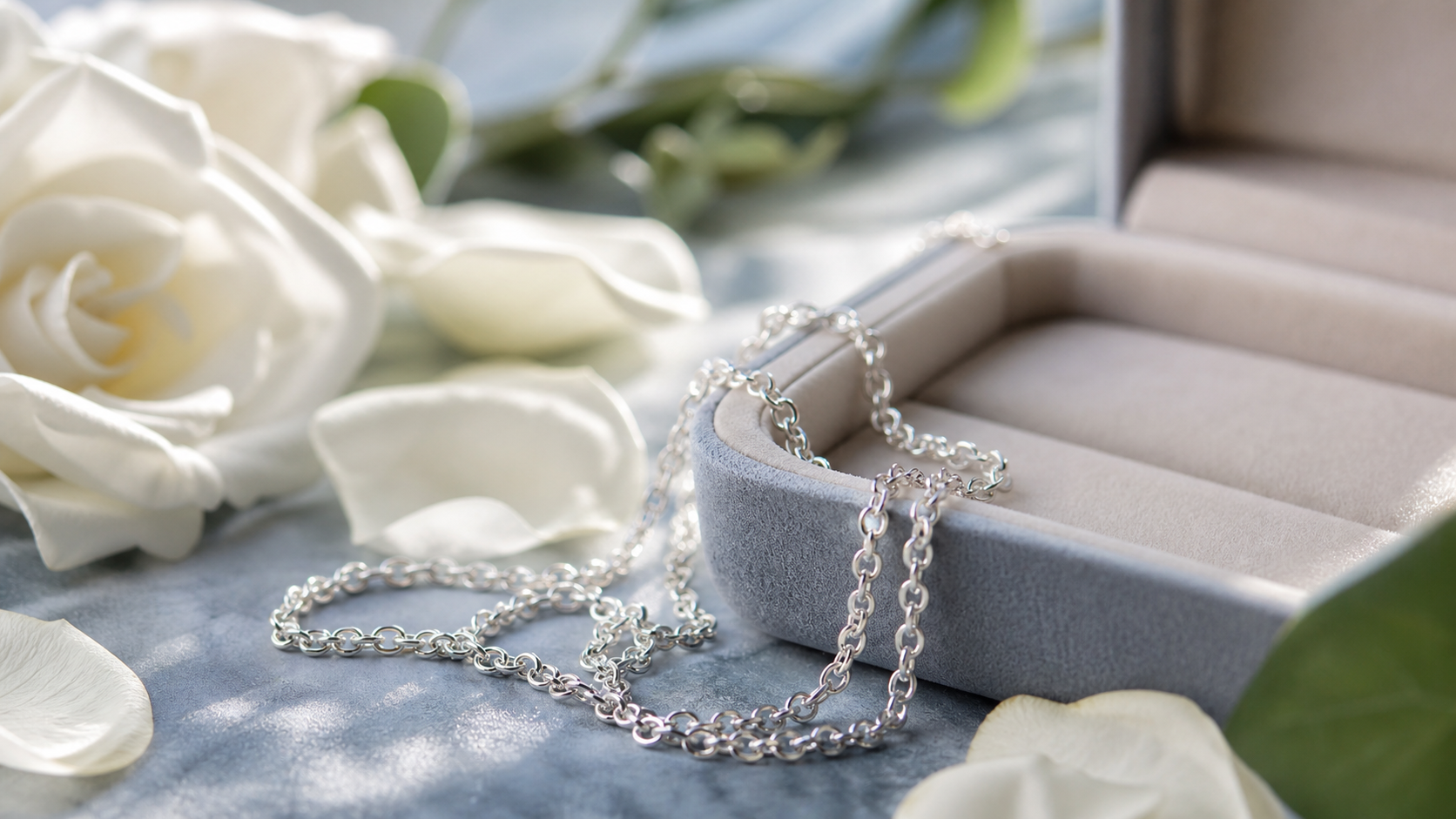
Good cremation jewelry is described precisely enough to inspect before you buy. Look for a clear metal disclosure, a purpose-built internal chamber, a clean threaded closure, realistic capacity guidance, pendant dimensions, chain length and material, filling and sealing instructions, care limits, delivery timing, return terms, and reachable support. Treat words such as premium, silver, waterproof, or heirloom as claims that need specific evidence. The best choice is the one whose construction and policies fit how you will fill, wear, store, and eventually service the keepsake.
Key takeaways before you buy
- Require specific metal, dimension, chain, chamber, closure, and care information instead of relying on a luxury label.
- Inspect seller evidence and policies because even a well-made pendant needs accurate filling, realistic wear limits, and support if something arrives wrong.
- Choose for the recipient's actual use: frequent wear, occasional remembrance, display, travel, and future servicing create different priorities.
Start with the exact material disclosure
A quality listing should name the metal or material instead of stopping at color words such as silver, gold, rose, or black. Stainless steel, sterling silver, plated metal, and solid precious metal have different price, finish, maintenance, repair, and sensitivity considerations. A silver-colored finish is not the same claim as sterling silver.
The FTC Jewelry Guides address how marketers describe precious metals, alloys, coatings, and related jewelry attributes. Use the listing's exact words and ask the seller when a term is unclear. For sterling silver, Jewelers of America explains that the alloy is 92.5% silver and is commonly marked 925, while also noting that silver can tarnish and needs appropriate care.
A hallmark can support a description, but it is not the only quality test and a photograph of a stamp does not prove every product matches. Review the complete listing, seller identity, price, construction, policies, and received item together. Be cautious when a precious-metal claim is paired with an implausibly low price and no weight, dimensions, mark, or care information.
Inspect the chamber, opening, and closure design
Cremation jewelry needs more than an attractive exterior. Look for a purpose-built internal chamber, a small opening that can be filled deliberately, and a threaded screw closure that seats cleanly. The listing should show or describe where the opening is located and whether a filling funnel, pin, screwdriver, adhesive, or instructions are included.
Threads should engage without forcing, wobbling, or crossing. The screw head or cap should sit as intended when closed, and the pendant should not show cracks, unfinished edges, loose decorative parts, or residue around the opening. Do this inspection while the piece is empty and returnable. Never use ashes to test an item that already appears defective.
A closure can be designed for secure sealing without making the entire necklace waterproof. Water, cosmetics, sweat, chemicals, impact, temperature, and chain strain affect different parts of the piece. Reject an absolute waterproof or lifetime-seal promise unless the seller defines the test, conditions, exclusions, and remedy.
Check dimensions, capacity, chain, and bail as one system
A listing should provide pendant dimensions and chain length so the buyer can judge scale and fit. Product photos without measurements can make a pendant look larger, thicker, or more delicate than it is. Compare dimensions with a ruler and measure an existing necklace at home before ordering.
Cremation chambers are intentionally small and hold a symbolic amount, not all of a person's or pet's remains. Honest capacity guidance should set that expectation and explain that texture and chamber design affect the amount. A seller who promises an unusually large capacity without dimensions makes the most important construction detail harder to evaluate.
Review the chain material, style, length, clasp, connector rings, and the pendant bail together. A strong pendant on a damaged, undersized, or poorly closed chain is still at risk. The bail must move freely enough for normal wear without a visible gap, sharp edge, or deformation. If the recipient will wear the necklace often, ask whether the chain can be replaced without opening the chamber.
Use product evidence instead of decorative claims
Useful product evidence includes several clear views, a scale reference, dimensions, a view of the closure, a complete materials description, what arrives in the package, filling instructions, care guidance, delivery timing, and policies. Video can help show scale and movement, but dramatic lighting should not replace accurate color and detail photographs.
Read reviews for repeated construction and service patterns rather than treating the average star score as proof. Look for comments about the received material, threading, finish, engraving, chain, included tools, packaging, delivery, and problem resolution. A review from an unverified context should not outweigh the seller's written specifications and remedies.
A good seller should answer specific questions in plain language: Is the pendant stainless steel or sterling silver? Is a chain included? What length and material is it? What does the chamber hold? Which filling tools arrive? What care limits apply? What happens if the closure or chain is damaged on arrival? Vague reassurance is not a substitute for an answer.
Read delivery, return, and support terms before filling
Check the stated production and shipping timing, personalization preview process, tracking, return eligibility, damaged-item procedure, and who pays return postage. The FTC's merchandise rule governs shipment promises for covered orders and the seller's obligations when it cannot ship on time. The practical buyer step is to save the listing, confirmation, promised timing, personalization, and correspondence.
Personalized goods and items filled with remains may have different return limits from an unused standard item. Inspect the empty necklace immediately after delivery. Compare it with the order, photograph any damage, and contact the seller within the stated window before engraving changes, adhesive, or remains make the issue harder to resolve.
Ask what support remains available after filling. Can the chain be replaced? Can the seller advise on a loose closure? Does the care guide explain when to remove the piece? No responsible seller can eliminate every accident, but the listing should help the buyer prevent predictable ones and identify the right next step.
Match quality to the way the keepsake will be used
A piece intended for occasional remembrance may prioritize symbolism and careful storage. Frequent wear raises the importance of chain fit, clasp operation, bail condition, skin comfort, finish care, and a habit of removing the necklace before water, exercise, sleep, chemicals, or high-impact work. Quality cannot make an irreplaceable keepsake immune to loss or damage.
Consider whether another memorial format better fits the recipient. A person who works around machinery, swims daily, has metal sensitivities, or frequently loses jewelry may prefer an engraved necklace without ashes, a keepsake urn, a display object, or a memorial used only on certain days. The emotional value does not depend on wearing remains continuously.
Jewel Lay's Blue Heart Cremation Necklace uses stainless steel, while the Tree Cremation Necklace is described as sterling silver. Both current product pages state a 22-inch chain and include filling tools. Compare the specific material, dimensions, chain option, personalization, price, and current delivery information on the <a href="/products/blue-heart-cremation-necklace">Blue Heart product page</a> and <a href="/products/sterling-silver-tree-cremation-necklace">Tree product page</a> rather than assuming one material is best for every recipient.
Use a final quality checklist when the necklace arrives
Confirm the product, personalization, dimensions, material description, color, chain, clasp, connector rings, bail, chamber opening, threaded closure, filling tools, instructions, and packaging against the order. Work over a bright tray and use magnification if needed. The screw should start and seat smoothly while the chamber is empty.
Photograph the empty piece and keep the receipt, listing, instructions, and seller contact. If anything is incorrect, rough, loose, cracked, bent, discolored, missing, or difficult to close, stop and contact the seller. Do not force a thread or use adhesive to hide a construction problem that should be evaluated first.
Only after the empty inspection should the family decide what tiny keepsake to place inside and who feels steady enough to do it. Some families ask a funeral home for help. Quality buying includes that emotional and procedural fit: the pendant should make the memorial step clearer, not rush the family into handling remains before they are ready.
Primary references
Sources and further reading
These references support the practical guidance above. Product-specific instructions should still take priority for the exact keepsake you own.
Recommended next step
Products that fit this search
Compare the relevant collection first, then inspect the product photos, included tools, price, shipping, and return details before choosing.
People also ask
How can you tell if cremation jewelry is good quality? FAQ
What is the best material for cremation jewelry?
There is no universal best material. Stainless steel can offer practical durability and lower maintenance, while sterling silver offers a precious-metal option that can tarnish and needs appropriate care. Compare the exact alloy, finish, skin sensitivity, wear habits, repair expectations, and budget.
Does 925 mean cremation jewelry is good quality?
A 925 mark generally refers to sterling silver fineness, but one stamp does not evaluate chamber construction, closure threads, chain, finish, seller accuracy, or policies. Judge the complete product and seller evidence.
Should good cremation jewelry be waterproof?
Do not assume it is waterproof. A threaded and sealed chamber does not make every chain, finish, joint, stone, or adhesive suitable for swimming or bathing. Follow the seller's specific care limits and remove an irreplaceable keepsake before water when uncertain.
How can I inspect cremation jewelry before adding ashes?
Compare it with the order, inspect the finish and joints in bright light, test the chain and clasp, locate the chamber, and gently check that the empty threaded closure starts and seats cleanly. Stop and contact the seller if anything is damaged, missing, rough, loose, or difficult to close.
Is expensive cremation jewelry always better?
No. Price can reflect material, labor, design, personalization, service, and margin, but it is not a quality certificate. Require precise specifications, product evidence, realistic care guidance, and useful policies at any price.
Keep researching