Cremation jewelry
Can a child wear cremation jewelry? A safety-first buying guide
Learn when a cremation necklace is not appropriate for a child, how to involve an older child or teen in the decision, and when a journal, blanket, or display keepsake is safer.
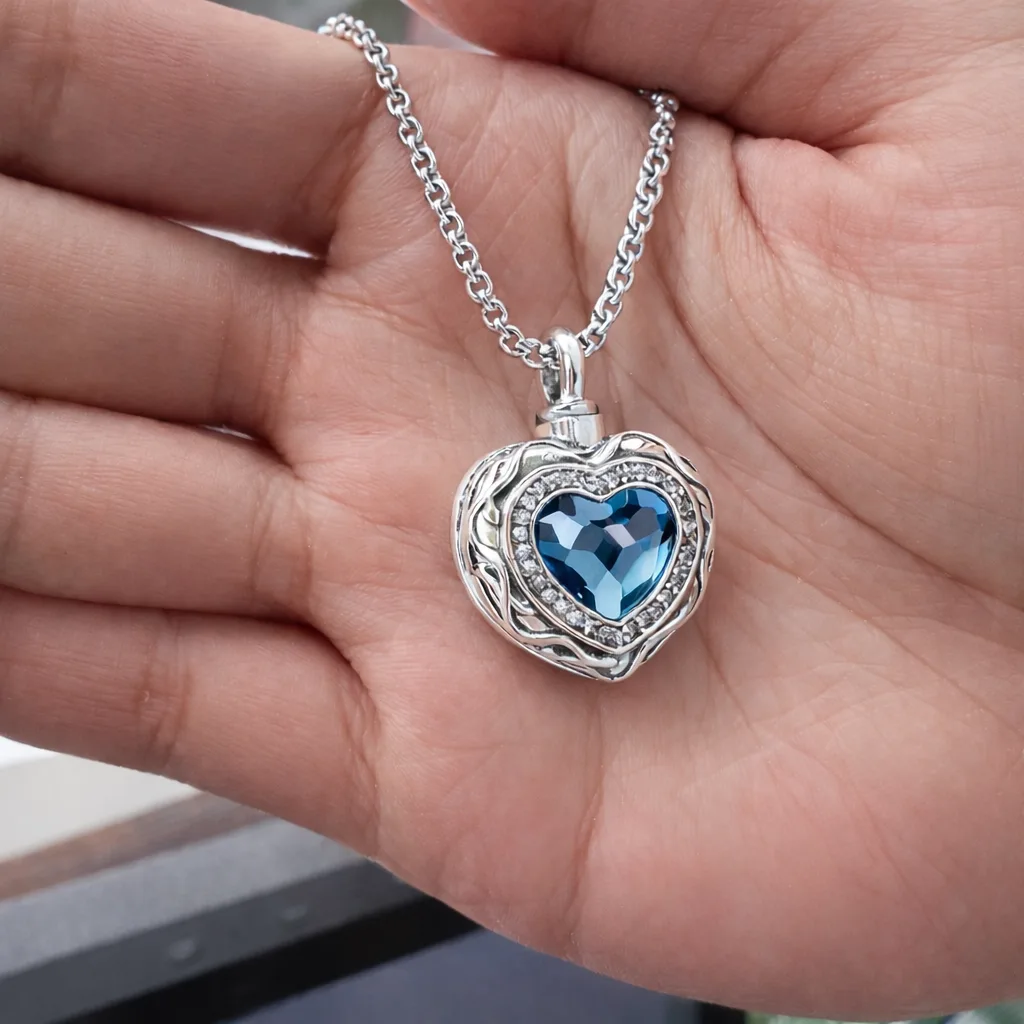
For an infant or toddler, do not place a cremation necklace around the child’s neck. The FDA, American Academy of Pediatrics, and Consumer Product Safety Commission warn about strangulation and choking hazards from necklaces and small jewelry parts. For an older child or teen, there is no universal age at which a necklace becomes appropriate: the child should want it, the caregiver should confirm the product’s fit and construction, and the wearing plan should include supervision and removal for sleep, play, and activities that can catch or damage a chain. Jewel Lay’s cremation necklace pages describe adult-sized 22-inch chains and do not promise child sizing, so a journal, blanket, framed piece, or supervised keepsake display may be the better choice when fit is uncertain.
Side-by-side decision
Use the stop, pause, or proceed matrix
Age alone cannot answer this question. Use the child’s development, their own preference, the product evidence, and the supervision plan together before ordering.
Stop wearable use
- Typical situation
- Infant, toddler, child who mouths objects, or anyone who cannot reliably remove or protect the necklace
- Safety decision
- Do not place a chain around the neck; keep the memorial item with a caregiver
- Better format
- Journal, blanket, framed art, candle, or a display box the child can visit with an adult
- Tradeoff
- Less portable, but avoids treating an adult jewelry product as a children’s safety product
Pause and ask
- Typical situation
- School-age child asks about a necklace but has not chosen how they want to remember the person
- Safety decision
- Ask what they want, check the product details, and make wearing optional
- Better format
- Start with a private keepsake or supervised display while preferences become clearer
- Tradeoff
- A slower decision protects the child’s choice and avoids a rushed irreversible purchase
Proceed with a teen’s informed choice
- Typical situation
- A teen independently asks for a specific necklace and can explain when they would wear and remove it
- Safety decision
- Confirm age suitability, fit, materials, closure, and an adult-supported care plan with the seller
- Better format
- A verified wearable item, or a non-wearable option if any product detail remains unknown
- Tradeoff
- Portable and personal, but the chain, pendant, and tiny chamber need regular inspection
Key takeaways before you buy
- Do not put a necklace around an infant or toddler, even if the pendant is a meaningful memorial.
- Let the child’s interest and comfort lead; a keepsake should not become a required grief ritual.
- Check stated dimensions, chain length, materials, closure, and small parts before considering wear.
- Jewel Lay’s cremation necklaces list 22-inch chains and are not presented as child-sized products, so do not assume an adult chain will fit a child safely.
- If wearable jewelry is not clearly suitable, choose a private journal, blanket, framed art, candle, or display box instead.
Set the safety boundary before you compare designs
A cremation necklace is a memorial object, not a children’s safety product. The FDA reports serious injuries and deaths involving teething jewelry, and the American Academy of Pediatrics says infants should not wear jewelry. Those warnings address teething products, but the neck-and-small-parts hazards are still relevant when an adult is considering any chain or pendant for a young child. The CPSC’s children’s-jewelry work also identifies strangulation, small parts, chemical exposure, magnets, and nickel sensitization as hazards that standards address.
That makes the first decision simple: do not put a necklace around an infant or toddler, do not leave a chain in a crib or sleeping area, and do not give a small pendant to a child who mouths objects or cannot follow a removal plan. Keep the memorial item with a caregiver or choose a format that stays off the body. If you have a specific medical, allergy, or developmental concern, ask the child’s pediatrician rather than using a blog as a safety clearance.
Let the child choose the form of remembrance
A child may want to wear something, keep an object in a drawer, draw a picture, light a candle with an adult, or do nothing today. The American Academy of Pediatrics recommends age-appropriate explanations and making participation in memorial activities optional. Dougy Center likewise encourages asking children which objects and rituals matter to them rather than guessing. A necklace chosen by an adult can carry the adult’s meaning while missing the child’s actual need.
Try one neutral question: Would you like something you can wear, something private to keep, or something we can look at together? Accept no or not yet as a complete answer. If the child wants a wearable keepsake, ask what they would do if it felt uncomfortable, broke, or attracted questions at school. Their answer is part of the buying decision, not an afterthought.
Check fit and construction against the actual product
Do not infer child suitability from a small-looking photograph. Jewel Lay’s Blue Heart and Tree cremation necklace pages list 22-inch chains, a small pendant, a screw-close keepsake opening, and filling tools. Those details are useful for an adult buyer comparing products, but the pages do not promise a child-sized chain or a breakaway design. The safe conclusion is not that the necklaces are unsafe for every teen; it is that a caregiver should confirm fit and intended age with the seller before placing one on a minor.
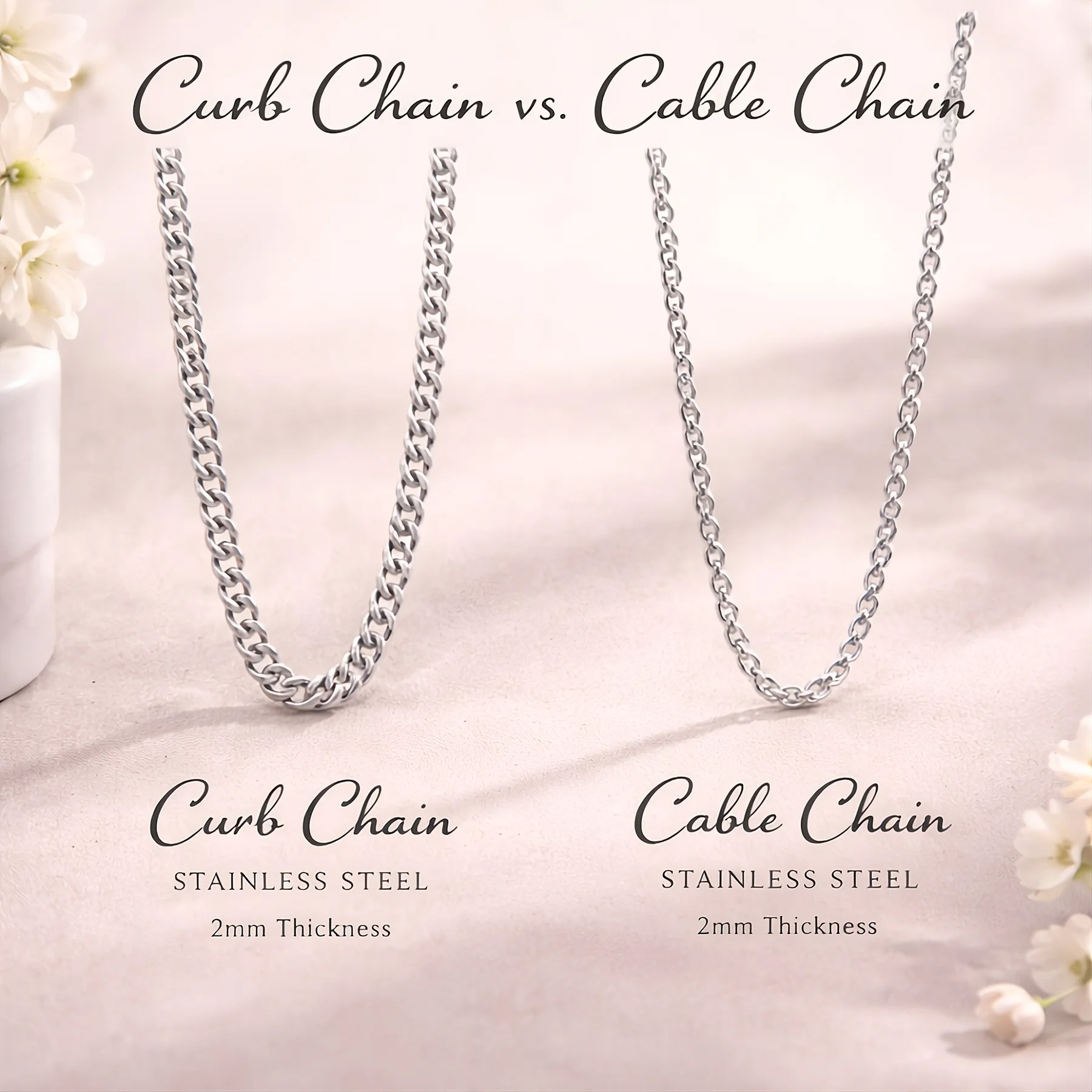
Ask for the exact chain length, pendant dimensions and weight, closure details, material and coating information, replacement-chain options, and any age guidance. Check whether the child can remove it without help and whether a chain could catch on playground equipment, sports gear, a seat belt, or clothing. Never fill a chamber until the wearer and caregiver have agreed on the item and checked that the jewelry is intact.
Match the keepsake to the child’s real routine
Consider three concrete examples. A four-year-old who wants to touch a pendant may be better served by a framed photo or a small memory box kept on a high shelf and opened together. An eight-year-old who likes writing and wants privacy may prefer a personalized journal. A sixteen-year-old who asks for a necklace, understands when it must come off, and can explain how they will store it may be ready to review a wearable product with a caregiver. These are decision examples, not age rules; the child’s development and the product’s stated details still control.
A non-wearable gift can preserve the same memory without introducing a chain. A blanket can stay on a reading chair, a framed poster can be displayed with the child’s approval, and a journal can hold words privately. If the child wants portability, a printed photo or note in a wallet may be easier to inspect and replace than an adult-sized pendant.
Make wearing optional and inspect before filling
If an older child or teen chooses a necklace, agree on a removal plan before ordering: take it off for sleep, bathing, swimming, sports, rough play, and any activity where the chain can catch; store it in a known place; and tell a caregiver if the clasp, chain, screw, or chamber changes. The American Academy of Pediatrics advises removing children’s necklaces while unattended and sleeping in its jewelry-safety guidance. That is a useful minimum for a family plan, not a substitute for the product’s own instructions.
When the package arrives, inspect the pendant, chain, closure, personalization, and box before placing ashes or another tiny keepsake inside. Jewel Lay’s shipping and returns page says to pause and contact support if an item looks damaged or incorrect and treats filled jewelry as a final memorial item. The next decision is therefore clear: if fit, age suitability, or condition is uncertain, keep the item unfilled and choose a non-wearable form until the question is resolved.
Primary references
Sources and further reading
These references support the practical guidance above. Product-specific instructions should still take priority for the exact keepsake you own.
- U.S. Food and Drug Administration: Safely Soothing Teething Pain in Infants and Children
- American Academy of Pediatrics: How Children Understand Death
- American Academy of Pediatrics: Teething Necklaces and Beads
- Consumer Product Safety Commission: Children’s Jewelry
- Dougy Center: How to Help a Grieving Child
- Jewel Lay: Blue Heart Cremation Necklace
- Jewel Lay: Shipping and Returns
Recommended next step
Products that fit this search
Compare the relevant collection first, then inspect the product photos, included tools, price, shipping, and return details before choosing.
People also ask
Can a child wear cremation jewelry? A safety-first buying guide FAQ
Is cremation jewelry safe for a toddler?
Do not place a cremation necklace around a toddler’s neck. The FDA, AAP, and CPSC warn about strangulation and choking hazards from necklaces and small jewelry parts. Keep the memorial item with a caregiver or choose a non-wearable keepsake.
What age can a child wear cremation jewelry?
There is no universal age that makes an adult-sized necklace appropriate. Consider the child’s development, ability to remove and care for it, the product’s stated age and dimensions, and a caregiver’s supervision plan. Ask the seller or pediatrician about specific concerns.
Should a child decide whether to wear memorial jewelry?
The child should have a real choice, especially if the jewelry is intended for their body. Offer wearable and non-wearable options, accept no or not yet, and do not make wearing the necklace a requirement for remembering someone.
Are Jewel Lay cremation necklaces child-sized?
Jewel Lay’s Blue Heart and Tree product pages list 22-inch chains and do not promise child sizing or a breakaway design. Confirm fit and intended age with Jewel Lay before considering one for a minor, and choose a non-wearable keepsake if any detail remains uncertain.
Keep researching