Sympathy gifts
What is a thoughtful sympathy gift for someone who does not wear jewelry?
Choose a sympathy gift for someone who does not wear jewelry by matching privacy, daily use, personalization, and timing to a real comfort need instead of forcing a wearable keepsake.
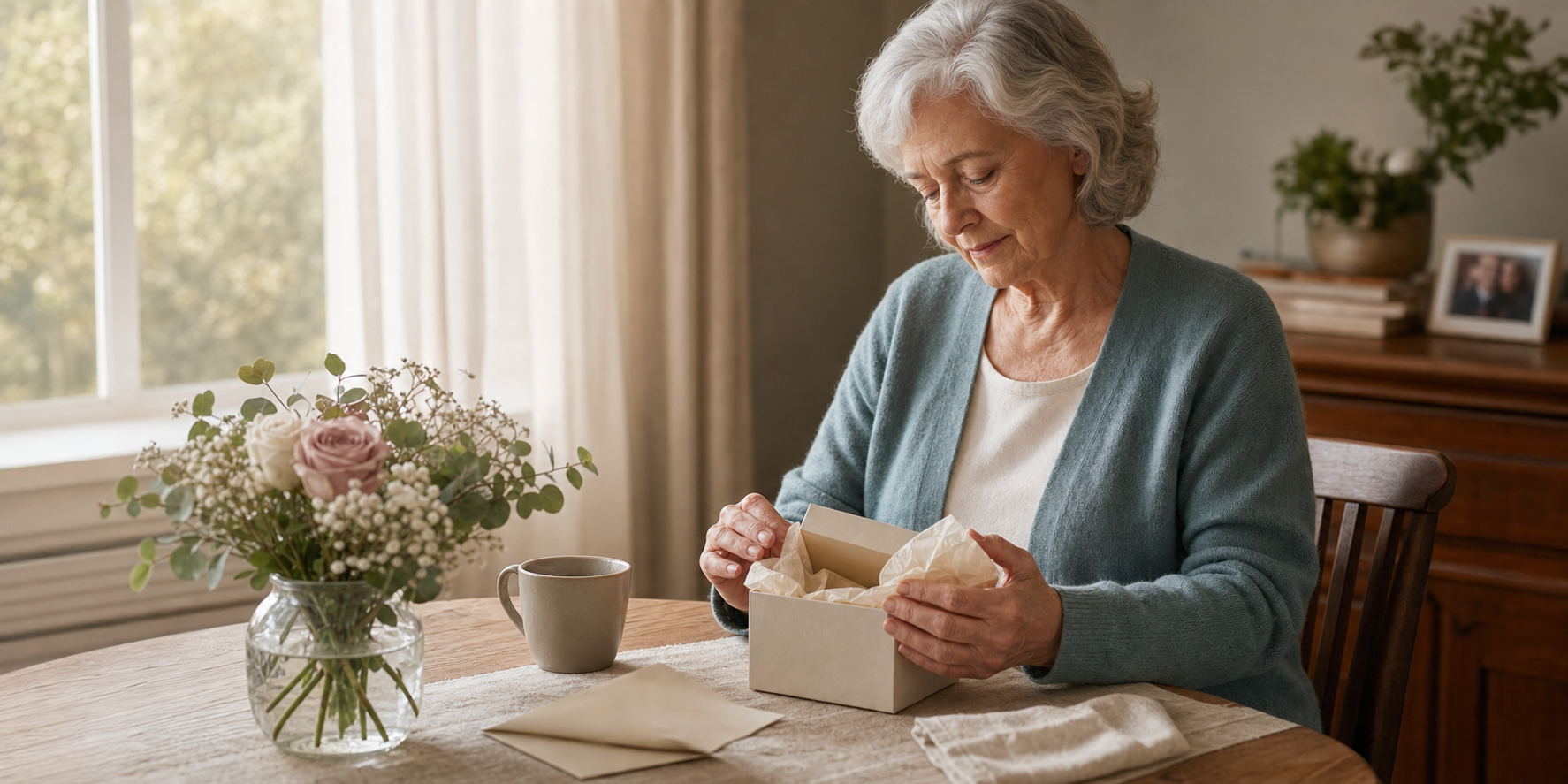
Choose a gift the recipient can use or put away without explaining why they do not wear jewelry. Start with the role you want the gift to play: practical comfort, a private remembrance ritual, or a visible home keepsake. A personalized blanket, journal, candle, mug, framed photo, or ornament can honor a name, photo, dates, or short line without putting anything on the recipient's body. If you are unsure, use the fit matrix below, keep personalization simple, and pair the item with a note that does not require a reply or immediate display.
Side-by-side decision
Match the sympathy gift to how they receive comfort
Score each candidate informally against these four questions: Will they use it, can they keep it private, is the personalization ready, and can it arrive without pressure? The best fit has no serious unknowns.
Daily comfort
- Best when
- They spend time reading, resting, drinking coffee, or keeping a familiar object nearby
- Good formats
- Personalized blanket, mug, candle, or journal
- Personalization
- A name, one photo, or a short line that can be put away
- Tradeoff
- Useful comfort may feel less ceremonial, but it asks for less public emotion
Private remembrance
- Best when
- They prefer quiet rituals, writing, a memory shelf, or choosing when to revisit the loss
- Good formats
- Journal, candle, compact blanket, ornament, or framed photo
- Personalization
- One meaningful detail with room for their own interpretation
- Tradeoff
- The gift may remain unseen for a while, which is not a sign it was wrong
Visible home keepsake
- Best when
- They display photos or remembrance objects and have signaled that a visible piece feels welcome
- Good formats
- Framed poster, wall-ready photo, blanket, or ornament
- Personalization
- Confirm the photo, name, dates, and display location first
- Tradeoff
- More visible can also be more emotionally demanding and harder to change
Key takeaways before you buy
- A recipient's jewelry habits are useful evidence: do not turn a meaningful gift into a wearable obligation.
- Choose between comfort, private ritual, and visible remembrance before comparing designs or prices.
- Use one approved photo, name, dates, or short line; avoid guessing at highly personal wording when the recipient has not shared a preference.
- A journal, candle, mug, blanket, ornament, or framed photo can be meaningful without requiring jewelry wear.
- If privacy, timing, or personalization readiness is unclear, choose the lower-pressure option and leave the next decision with the recipient.
Start with what they already choose to use
Not wearing jewelry is not a rejection of remembrance. It is a clue about the form a gift should take. Someone may dislike necklaces, work in a setting where jewelry is impractical, have sensory preferences, or simply prefer objects that stay at home. The NIH Clinical Center recommends acknowledging the loss, listening, and offering support without making the bereaved person manage the giver's feelings. A non-jewelry gift follows that same principle: it gives comfort without asking the recipient to change a habit.
Look for ordinary evidence rather than guessing from stereotypes. Do they keep a blanket on a chair, write notes, light candles, drink tea, display photographs, or save seasonal ornaments? If you can ask one low-pressure question, try: Would something useful, something private, or something to display feel most comfortable? If you cannot ask, choose the format that creates the fewest obligations and include a note saying there is no need to open, display, use, or respond right away.
Use privacy and personalization as a fit check
Run the matrix above before you choose a photo or message. Privacy asks where the object will live and who may see it. Daily use asks whether it fits an existing routine rather than creating a new ritual. Personalization readiness asks whether you have an approved photo, correct name, and dates, or whether you would be deciding on the recipient's behalf. Timing asks whether a made-to-order item can arrive without turning grief into a deadline.
A journal or candle can stay private; a blanket can be folded away or used in a favorite chair; a mug can become part of a morning routine; a framed photo or ornament can remain visible if the recipient wants that. None is automatically more meaningful. Choose the least assumptive format that still reflects the relationship, and let the recipient decide what the item means over time.
Keep the message gentle and optional
A short card can carry the emotional part of the gift. Name the person who died if you know the name, acknowledge that the day may be difficult, and offer one concrete form of help. For example: I am remembering Alex with you. I left this here for whenever it feels useful, and there is no need to respond. Avoid telling the recipient to be strong, move on, or find comfort in the object immediately.
If you personalize a product, use only details you can verify. A name and dates may be enough. A favorite photo should be one the family has approved, and a quote should not be attributed unless you know it is accurate. When the recipient has not expressed a preference for a visible tribute, a simple design that can be stored privately is safer than a large public statement.
Know when a non-jewelry gift is the better decision
Choose a non-jewelry gift when the recipient has said they do not wear jewelry, when a necklace would create pressure, when ashes or other keepsake material are not ready, or when the gift needs to be useful in the home. Pause any personalization when you do not have a confirmed photo, spelling, or wording. A thoughtful purchase can be delayed while a note, meal, errand, or check-in provides support now.
Before ordering, inspect the product's current materials, size, price, production timing, shipping, and personalized-return terms. The FTC advises shoppers to check seller information, transaction records, and policies before buying online. For a personalized memorial item, preserve the approved details and order number, then ask support about any uncertainty before the item is made. The next decision is not which product looks most impressive; it is which object the recipient can receive on their own terms.
Primary references
Sources and further reading
These references support the practical guidance above. Product-specific instructions should still take priority for the exact keepsake you own.
Recommended next step
Products that fit this search
Compare the relevant collection first, then inspect the product photos, included tools, price, shipping, and return details before choosing.
People also ask
What is a thoughtful sympathy gift for someone who does not wear jewelry? FAQ
What is a good sympathy gift if someone does not wear necklaces?
A personalized blanket, journal, candle, mug, ornament, or framed photo can offer comfort or remembrance without requiring the recipient to wear anything.
Should a sympathy gift be personalized if I am unsure what they want?
Use simple, verifiable details or choose a non-personalized comfort item. Avoid guessing at a public tribute, photo, or keepsake material when the recipient has not expressed a preference.
Is a memorial blanket too personal as a sympathy gift?
It depends on the recipient's routine and privacy. Choose a blanket when they already use throws or have welcomed a home keepsake, and select a size and design that can be put away.
What should I write with a non-jewelry memorial gift?
Acknowledge the person who died, offer one specific form of help, and remove pressure: I am remembering Alex with you. There is no need to respond or use this right away.
Keep researching